Why Your Oven Is Not Heating in College Point
When your oven stops heating, it can be a frustrating experience, especially in the bustling households of College Point. Several common culprits might be to blame, and understanding them can help in addressing the problem. One frequent issue is a faulty heating element. Over time, the heating elements can burn out, preventing the oven from reaching the desired temperature.
Another possibility is a malfunctioning thermostat or temperature sensor. These components regulate the oven's internal temperature. If they're defective, your oven might not heat properly. College Point's varied climate, with its cold winters, can sometimes exacerbate these issues, as frequent temperature changes affect appliance performance.
Electrical issues can also be a cause. If there's a problem with the power supply or the oven's internal wiring, it may not heat up. In homes across College Point, older electrical systems may contribute to these issues, especially in established neighborhoods where upgrades haven't been made recently.
What Our Technicians Inspect
- Heating Elements: We ensure that both the bake and broil elements are functioning correctly.
- Thermostat: The thermostat is checked for accuracy in regulating the temperature.
- Temperature Sensor: Our technicians verify that the sensor communicates effectively with the control board.
- Igniter: For gas ovens, the igniter is inspected to confirm it’s sparking appropriately.
- Electrical Connections: We examine wiring and fuses for any faults or disruptions.
- Control Board: The control board is assessed for any errors in sending commands to the heating components.
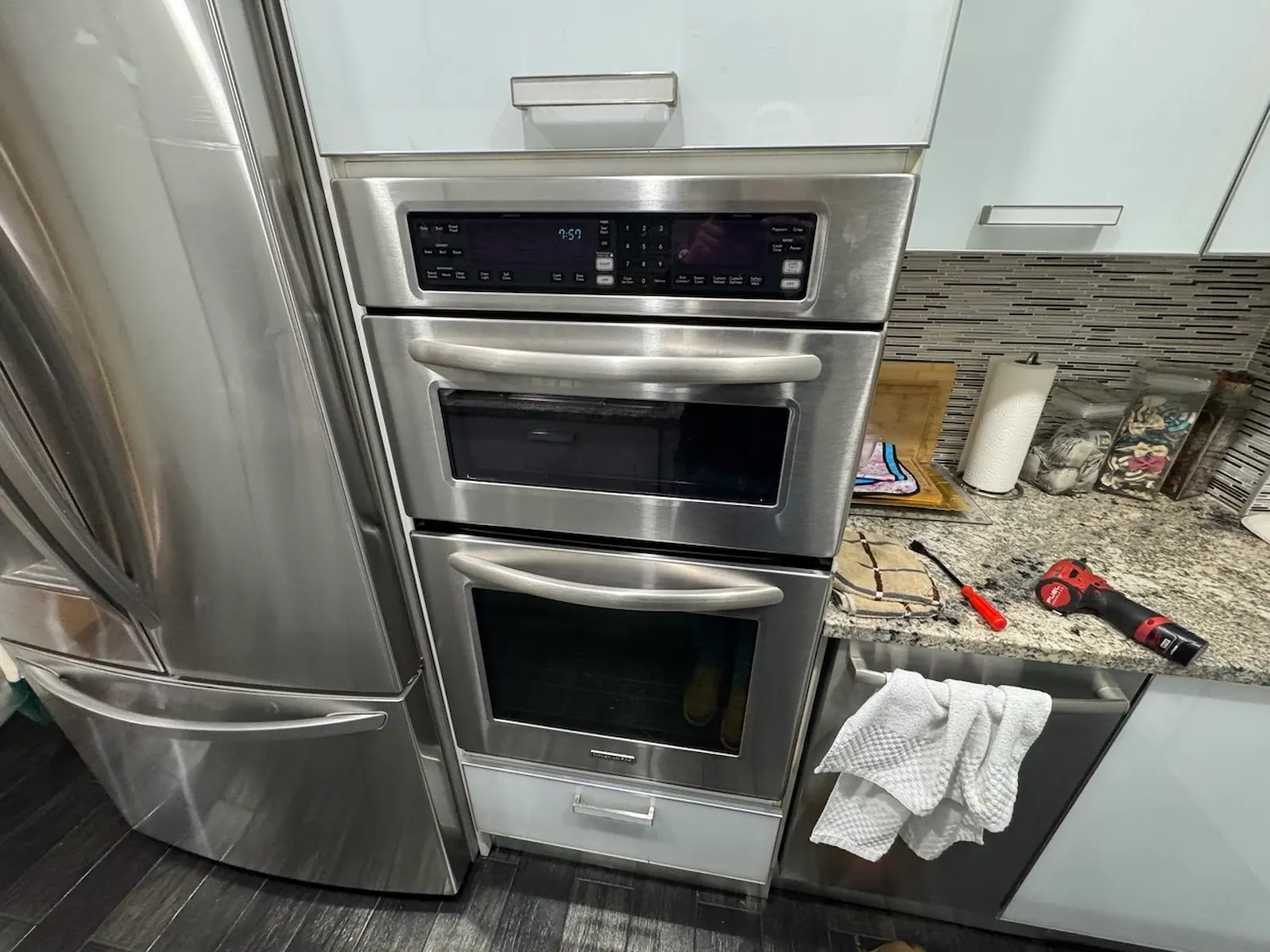
Our Oven Repair Process in College Point
When you choose Elevate Repair for oven service in College Point, expect a straightforward process focused on fixing your not heating right. Our licensed technicians begin with a comprehensive inspection, examine all relevant components, and provide clear explanations. We deliver upfront pricing with your $109 service fee applied to repair costs.
Using genuine replacement parts and professional equipment, we complete repairs efficiently to restore your appliance. Same-day scheduling is available, and every job includes our 60-day warranty on parts and labor.
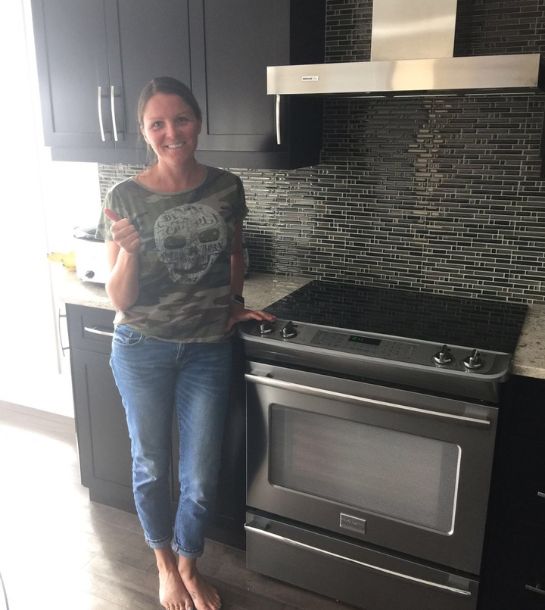
Common Questions About Oven Not Heating Issues
One common question we encounter is, "Why does my oven take so long to reach temperature?" A slow preheat time can indicate a problem with the heating elements or thermostat. Another frequent inquiry is, "Can I fix the heating element myself?" While some may attempt it, we advise professional assistance to ensure safety and effectiveness.
Homeowners also ask, "Should I replace my oven if it's not heating?" Often, repair is a more cost-effective solution, especially with our appliance specialists in College Point ready to assist. Our technicians can help you assess whether repair or replacement is the best course of action, considering the age and condition of your appliance.
Why College Point Residents Trust Elevate Repair
In College Point, Elevate Repair has become the trusted choice for homeowners seeking reliable appliance repair without surprises. Our licensed and insured team brings professional expertise to every job, backed by our industry-leading 60-day warranty on all work. We prioritize honesty and transparency, with upfront pricing that never surprises.
College Point residents appreciate our flexible scheduling from 7am to 7pm, seven days a week, because they know we're always ready to help when appliances fail.
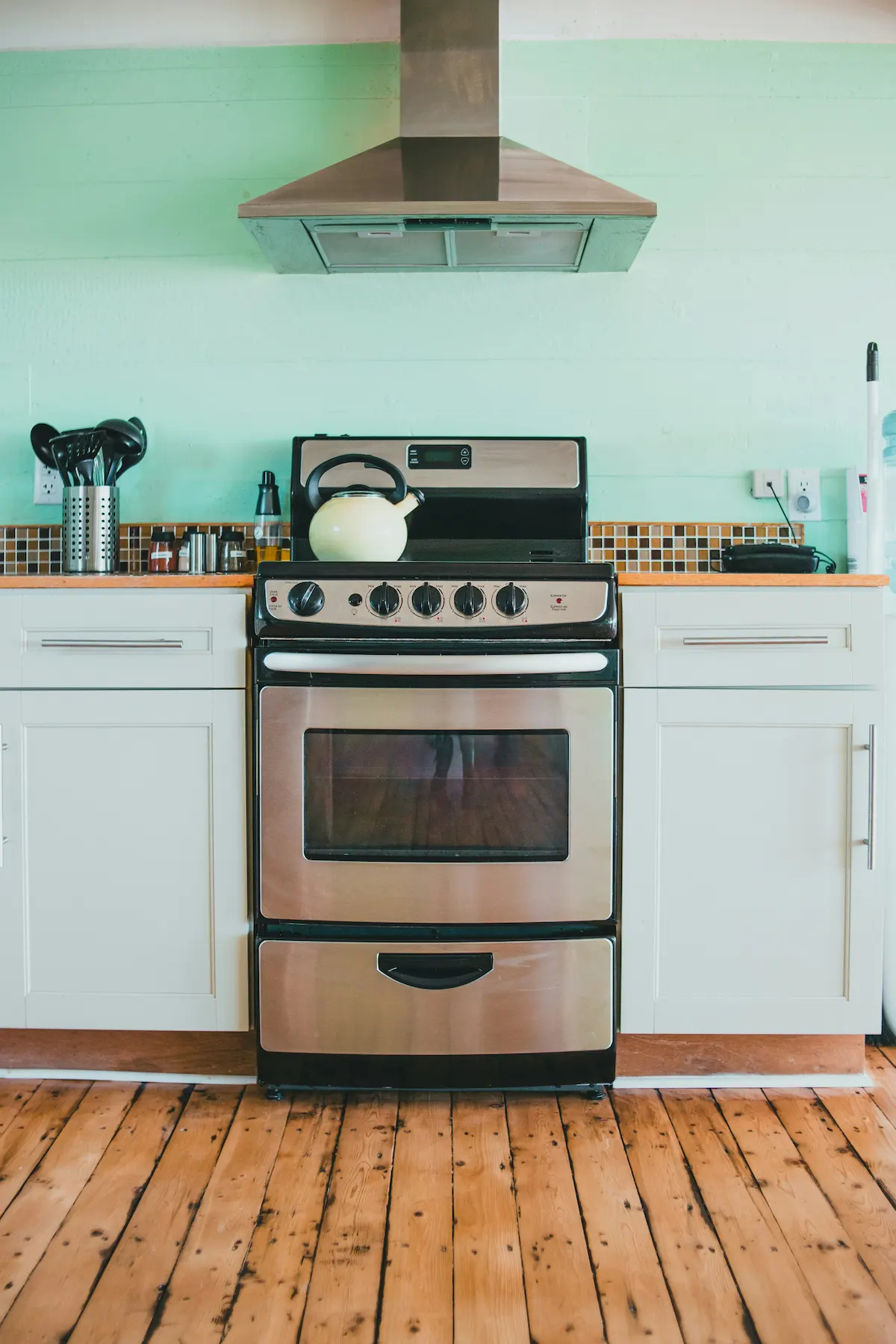
Schedule Your Oven Repair Today
When your oven not heating in College Point, time matters. Reach out to Elevate Repair for rapid, same-day service and expert diagnostics. Call (929) 684-1763 or schedule online now to get your appliance fixed. The $109 service fee goes toward your total repair bill, and we guarantee all work for 60 days.
Back to College Point appliance repair
Oven Repair Considerations for College Point Homes
College Point's mid-century attached homes and multi-family buildings include a significant number of kitchens with original gas line connections routed through the floor or wall to serve ranges in fixed positions. When homeowners replace their range, the existing gas connection often has a shutoff valve that has not been exercised in years and may be stiff or partially restricted. While our technicians do not perform gas line work, we verify gas pressure at the range inlet as part of every College Point gas oven diagnostic to rule out supply issues before attributing poor burner performance to the appliance.
Electric ranges in College Point's older homes are sometimes still connected to 3-prong outlets rather than the current standard 4-prong configuration. While 3-prong connections are permitted under grandfather clauses for existing installations, the missing ground conductor can cause subtle issues with electronic oven controls. Homeowners upgrading to a modern range with a digital control panel in an older College Point home should have the outlet inspected by a licensed electrician before the installation.